- Solutions

We provide solutions in crucial business areas for today’s ever-changing markets:
- Defining Audience + Strategy
- Modernizing Your Operation
- Executing with True Efficiency
Branding, Marketing + SalesBusiness Strategy + PlanningCommunicationsCustomer Insights + EngagementData ScienceInvestor SupportProduct + Content DevelopmentStrategic ConsultingQualitative ResearchQuantitative ResearchBranding, Marketing + Sales Branding, Marketing and Sales
Elevate your brand with Magid’s integrated marketing and sales optimization strategies.Ad/Concept Testing and Optimization
Refine ad concepts to ensure resonant, customer-focused campaigns.Brand Health and Trackers
Maintain and enhance your brand’s health with continuous tracking and analysis.Business Strategy + Planning Business Strategy + Planning
Optimize your business growth with Magid’s expertise in strategic planning.Investment Allocation and Prioritization
Maximize returns with strategic investment allocation and prioritization.Managed Services
Enhance operational excellence and focus on core competencies with our managed services.Communications
Communications
Master the art of impactful communication to connect with your team and your audience.Communication Coaching
Enhance your team’s communication skills for more effective message delivery in any professional setting.Talent + Executive Coaching
Tailored coaching to elevate leadership presence, confidence, and clarity in every interaction.Investor Relations
Build trust and strengthen investor confidence with strategic communication and executive coaching.Customer Insights + Engagement Consumer Insights + Engagement
Unlock deep consumer insights and boost engagement with Magid’s proprietary data-driven strategies.Customer Experience
Optimize customer interactions across all service touchpoints for better experiences.Data Science AI-Powered Simulation + Scenario Planning
Use AI simulations to gain strategic foresight and versatile scenario planning.Analytics-Driven Insight
Make strategic decisions with comprehensive analytics and actionable insights.Subscriber Science
Enhance subscription models with specialized techniques for better retention and value.Investor Support Consumer and Client Industry and Product Insights
Use analytics to gain insights that drive informed decision-making.Industry Analysis and Tracking
Maintain a competitive edge with ongoing industry analysis and trend tracking.Strategic Intelligence for Due Diligence
Mitigate risks and uncover opportunities with strategic intelligence in due diligence.Product + Content Development Product and Content Development
Drive innovation with Magid’s expert product development and market-driven content strategies.Content Assessment, Analysis and Strategy
Develop impactful strategies with detailed content assessment and analysis.Product Development
Innovate and captivate the market with expert-driven product development.Resource Optimization
Maximize efficiency and achieve results with insights-driven resource strategies.Series Maintenance
Ensure sustained success with comprehensive series maintenance and updates.Strategic Consulting Strategic Consulting
Navigate complex challenges with Magid’s expert strategic consulting and innovative solutions.Branding, Marketing and Sales
Boost brand recognition and revenue with integrated marketing and sales.Business Strategy and Planning
Craft and execute strategies for sustainable growth and measurable success.Communications
Foster diversity and inclusion in your communication strategies.Investor Support
Enhance investor relations with professional support and effective communication.Qualitative Research Qualitative Research
Unlock unique consumer insights with Magid’s advanced qualitative research techniques.Digital Ethnography
Explore consumer behaviors with insightful digital ethnography methods.Focus Groups
Inform strategies with targeted insights from well-orchestrated focus groups.Ideation and Co-Creation
Foster innovation through collaborative ideation workshops and co-creation.In Context
Analyze real-world user interactions for authentic behavior insights.Online Qualitative
Gather strategic insights with sophisticated online qualitative research.Quantitative Research Quantitative Research
Leverage Magid’s advanced quantitative research to unlock data-driven strategic insights.Advanced Choice Modeling and MaxDiff
Prioritize product features with precision using MaxDiff and choice modeling.Brand Maps
Visualize and position your brand with detailed brand maps.Data Integration
Merge diverse data sources for a cohesive business analytics framework.Driver Analysis
Identify key factors driving consumer decisions with sophisticated analysis.Importance vs. Performance Gaps
Identify and bridge gaps between customer expectations and actual performance.Predictive and Descriptive Modeling
Predict outcomes and classify segments with advanced predictive modeling.TURF / Shapley Value Analysis
Optimize portfolios and reach with advanced TURF and Shapley Value analysis. - IndustriesBrand + AgencyGamesMedia + EntertainmentBrand + Agency

 Consumer Goods
Stay ahead of trends and meet demands with Magid’s market intelligence.

 Travel, Hospitality + Leisure
Create unforgettable guest experiences and loyalty with Magid’s insights.Games Media + Entertainment
 Media + Entertainment Overview
Are you delivering on the emotional experiences and connections audiences are expecting?


 Platforms
Create a seamless and engaging platform experience for repeat participation. Technology
Navigate the tech landscape with AI-driven solutions and deep consumer insights. - Collaborator
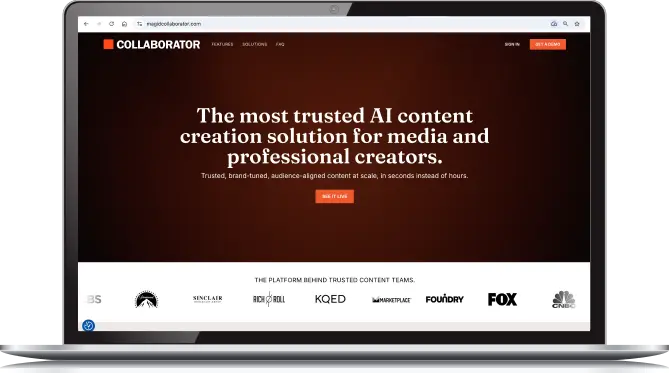
Collaborator has moved!
Big news: Magid Collaborator has a new home! We’ve brought Strategy and Publisher together under one unified platform. Same industry-leading expertise, upgraded experience.
Visit Collaborator’s new home.
- Human Intelligence
Stay ahead with unmatched consumer insights and strategic activation
Our comprehensive suite of products combines unparalleled consumer intelligence and advanced data expertise with strategy and activation, ensuring you’re always a step ahead of the competition.
Get ahead with unparalleled consumer insights and strategic activation.
Propel your business forward with AD.VANTAGE
Crack the code to audience engagement with eDNA
Transform your brand’s engagement and drive growth with emotional Insights
Transform your brand’s inclusivity with DiversityLens
Unlock cultural insights to shape your brand’s strategy
The definitive segmentation and audience toolkit for streaming video
- News + Insights
Beyond “Good Enough”: The Secret to Dependable AI for Brands
In the “mad dash” to integrate AI into daily workflows, many organizations are discovering a frustrating reality: Most tools aren’t…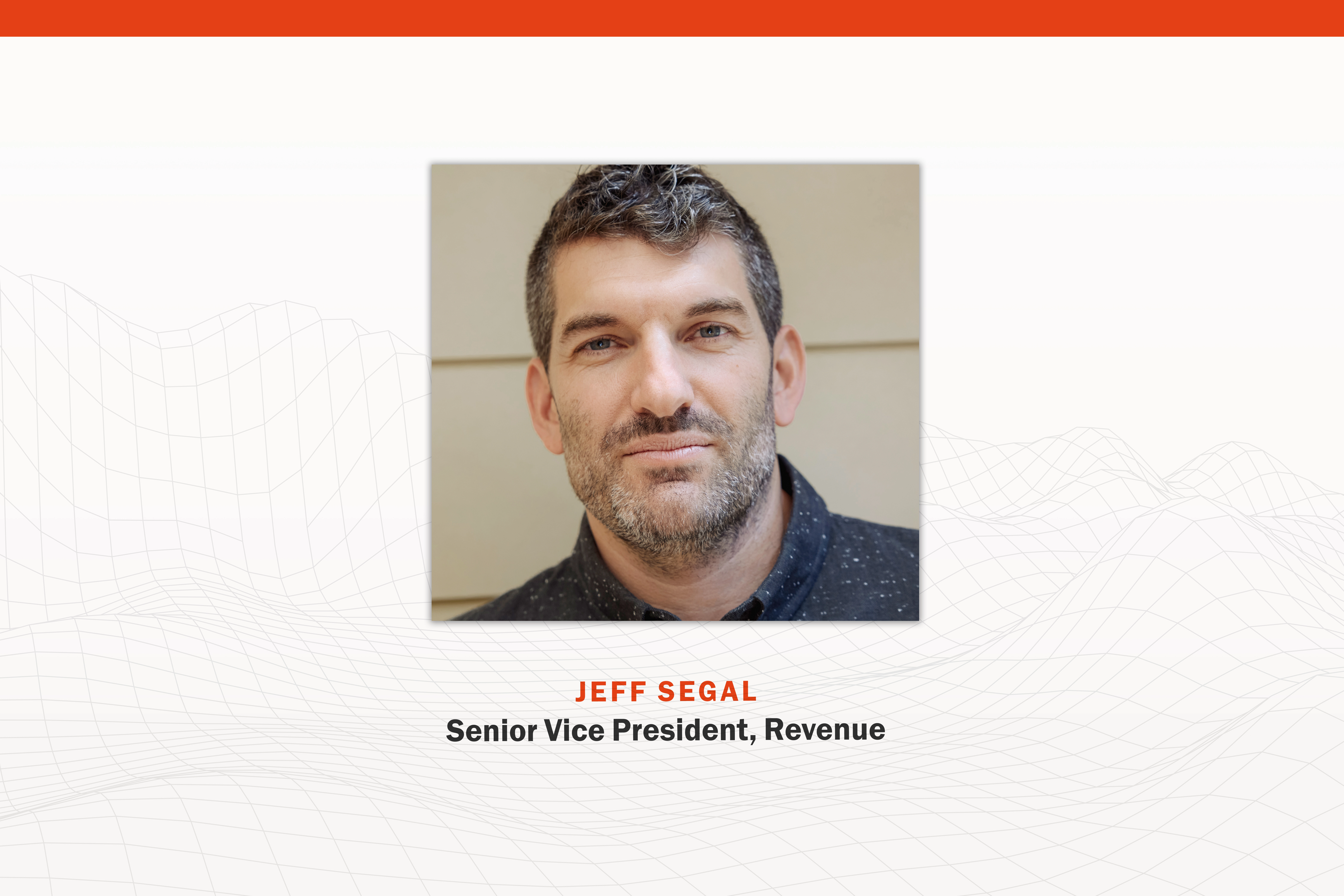
Magid Hires Jeff Segal as SVP Revenue
Pioneer in Digital Media and MarketingRejoins to Power Magid’s AI-Driven Product Suite MINNEAPOLIS – May 11, 2026 – Magid, the…
Welcome to The Era of Engagement
The competition for consumer attention has always been fierce. What’s changed is the currency. Whether you create content, develop games,…Never miss a beat!
"*" indicates required fields
"*" indicates required fields
"*" indicates required fields
- About Us
Unlocking human insights to drive business growth
At Magid, we know what makes people tick and how to harness that to drive business growth. By deeply understanding human behavior, we aspire to transform the consumer experience and pave the way for a future where businesses thrive through genuine connection.




- Solutions
We provide solutions in crucial business areas for today’s ever-changing markets:
- Defining Audience + Strategy
- Modernizing Your Operation
- Executing with True Efficiency
Branding, Marketing + SalesBusiness Strategy + PlanningCommunicationsCustomer Insights + EngagementData ScienceInvestor SupportProduct + Content DevelopmentStrategic ConsultingQualitative ResearchQuantitative ResearchBranding, Marketing + SalesBranding, Marketing and Sales
Elevate your brand with Magid’s integrated marketing and sales optimization strategies.Ad/Concept Testing and Optimization
Refine ad concepts to ensure resonant, customer-focused campaigns.Brand Health and Trackers
Maintain and enhance your brand’s health with continuous tracking and analysis.Business Strategy + PlanningBusiness Strategy + Planning
Optimize your business growth with Magid’s expertise in strategic planning.Investment Allocation and Prioritization
Maximize returns with strategic investment allocation and prioritization.Managed Services
Enhance operational excellence and focus on core competencies with our managed services.CommunicationsCommunications
Master the art of impactful communication to connect with your team and your audience.Communication Coaching
Enhance your team’s communication skills for more effective message delivery in any professional setting.Talent + Executive Coaching
Tailored coaching to elevate leadership presence, confidence, and clarity in every interaction.Investor Relations
Build trust and strengthen investor confidence with strategic communication and executive coaching.Customer Insights + EngagementConsumer Insights + Engagement
Unlock deep consumer insights and boost engagement with Magid’s proprietary data-driven strategies.Customer Experience
Optimize customer interactions across all service touchpoints for better experiences.Data ScienceAI-Powered Simulation + Scenario Planning
Use AI simulations to gain strategic foresight and versatile scenario planning.Analytics-Driven Insight
Make strategic decisions with comprehensive analytics and actionable insights.Subscriber Science
Enhance subscription models with specialized techniques for better retention and value.Investor SupportConsumer and Client Industry and Product Insights
Use analytics to gain insights that drive informed decision-making.Industry Analysis and Tracking
Maintain a competitive edge with ongoing industry analysis and trend tracking.Strategic Intelligence for Due Diligence
Mitigate risks and uncover opportunities with strategic intelligence in due diligence.Product + Content DevelopmentProduct and Content Development
Drive innovation with Magid’s expert product development and market-driven content strategies.Content Assessment, Analysis and Strategy
Develop impactful strategies with detailed content assessment and analysis.Product Development
Innovate and captivate the market with expert-driven product development.Resource Optimization
Maximize efficiency and achieve results with insights-driven resource strategies.Series Maintenance
Ensure sustained success with comprehensive series maintenance and updates.Strategic ConsultingStrategic Consulting
Navigate complex challenges with Magid’s expert strategic consulting and innovative solutions.Branding, Marketing and Sales
Boost brand recognition and revenue with integrated marketing and sales.Business Strategy and Planning
Craft and execute strategies for sustainable growth and measurable success.Communications
Foster diversity and inclusion in your communication strategies.Investor Support
Enhance investor relations with professional support and effective communication.Qualitative ResearchQualitative Research
Unlock unique consumer insights with Magid’s advanced qualitative research techniques.Digital Ethnography
Explore consumer behaviors with insightful digital ethnography methods.Focus Groups
Inform strategies with targeted insights from well-orchestrated focus groups.Ideation and Co-Creation
Foster innovation through collaborative ideation workshops and co-creation.In Context
Analyze real-world user interactions for authentic behavior insights.Online Qualitative
Gather strategic insights with sophisticated online qualitative research.Quantitative ResearchQuantitative Research
Leverage Magid’s advanced quantitative research to unlock data-driven strategic insights.Advanced Choice Modeling and MaxDiff
Prioritize product features with precision using MaxDiff and choice modeling.Brand Maps
Visualize and position your brand with detailed brand maps.Data Integration
Merge diverse data sources for a cohesive business analytics framework.Driver Analysis
Identify key factors driving consumer decisions with sophisticated analysis.Importance vs. Performance Gaps
Identify and bridge gaps between customer expectations and actual performance.Predictive and Descriptive Modeling
Predict outcomes and classify segments with advanced predictive modeling.TURF / Shapley Value Analysis
Optimize portfolios and reach with advanced TURF and Shapley Value analysis. - IndustriesBrand + AgencyGamesMedia + EntertainmentBrand + AgencyConsumer Goods
Stay ahead of trends and meet demands with Magid’s market intelligence.Travel, Hospitality + Leisure
Create unforgettable guest experiences and loyalty with Magid’s insights.GamesMedia + EntertainmentMedia + Entertainment Overview
Are you delivering on the emotional experiences and connections audiences are expecting?Platforms
Create a seamless and engaging platform experience for repeat participation.Technology
Navigate the tech landscape with AI-driven solutions and deep consumer insights. - Collaborator
Collaborator has moved!
Big news: Magid Collaborator has a new home! We’ve brought Strategy and Publisher together under one unified platform. Same industry-leading expertise, upgraded experience.
Visit Collaborator’s new home.
- Human Intelligence
Stay ahead with unmatched consumer insights and strategic activation
Our comprehensive suite of products combines unparalleled consumer intelligence and advanced data expertise with strategy and activation, ensuring you’re always a step ahead of the competition.
Get ahead with unparalleled consumer insights and strategic activation.
Propel your business forward with AD.VANTAGE
Crack the code to audience engagement with eDNA
Transform your brand’s engagement and drive growth with emotional Insights
Transform your brand’s inclusivity with DiversityLens
Unlock cultural insights to shape your brand’s strategy
The definitive segmentation and audience toolkit for streaming video
- News + Insights
Beyond “Good Enough”: The Secret to Dependable AI for Brands
In the “mad dash” to integrate AI into daily workflows, many organizations are discovering a frustrating reality: Most tools aren’t…
Magid Hires Jeff Segal as SVP Revenue
Pioneer in Digital Media and MarketingRejoins to Power Magid’s AI-Driven Product Suite MINNEAPOLIS – May 11, 2026 – Magid, the…
Welcome to The Era of Engagement
The competition for consumer attention has always been fierce. What’s changed is the currency. Whether you create content, develop games,…Never miss a beat!
"*" indicates required fields
"*" indicates required fields
"*" indicates required fields
- About Us
Unlocking human insights to drive business growth
At Magid, we know what makes people tick and how to harness that to drive business growth. By deeply understanding human behavior, we aspire to transform the consumer experience and pave the way for a future where businesses thrive through genuine connection.


- Solutions
We provide solutions in crucial business areas for today’s ever-changing markets:
- Defining Audience + Strategy
- Modernizing Your Operation
- Executing with True Efficiency
Branding, Marketing + SalesBusiness Strategy + PlanningCommunicationsCustomer Insights + EngagementData ScienceInvestor SupportProduct + Content DevelopmentStrategic ConsultingQualitative ResearchQuantitative ResearchBranding, Marketing + SalesBranding, Marketing and Sales
Elevate your brand with Magid’s integrated marketing and sales optimization strategies.Ad/Concept Testing and Optimization
Refine ad concepts to ensure resonant, customer-focused campaigns.Brand Health and Trackers
Maintain and enhance your brand’s health with continuous tracking and analysis.Business Strategy + PlanningBusiness Strategy + Planning
Optimize your business growth with Magid’s expertise in strategic planning.Investment Allocation and Prioritization
Maximize returns with strategic investment allocation and prioritization.Managed Services
Enhance operational excellence and focus on core competencies with our managed services.CommunicationsCommunications
Master the art of impactful communication to connect with your team and your audience.Communication Coaching
Enhance your team’s communication skills for more effective message delivery in any professional setting.Talent + Executive Coaching
Tailored coaching to elevate leadership presence, confidence, and clarity in every interaction.Investor Relations
Build trust and strengthen investor confidence with strategic communication and executive coaching.Customer Insights + EngagementConsumer Insights + Engagement
Unlock deep consumer insights and boost engagement with Magid’s proprietary data-driven strategies.Customer Experience
Optimize customer interactions across all service touchpoints for better experiences.Data ScienceAI-Powered Simulation + Scenario Planning
Use AI simulations to gain strategic foresight and versatile scenario planning.Analytics-Driven Insight
Make strategic decisions with comprehensive analytics and actionable insights.Subscriber Science
Enhance subscription models with specialized techniques for better retention and value.Investor SupportConsumer and Client Industry and Product Insights
Use analytics to gain insights that drive informed decision-making.Industry Analysis and Tracking
Maintain a competitive edge with ongoing industry analysis and trend tracking.Strategic Intelligence for Due Diligence
Mitigate risks and uncover opportunities with strategic intelligence in due diligence.Product + Content DevelopmentProduct and Content Development
Drive innovation with Magid’s expert product development and market-driven content strategies.Content Assessment, Analysis and Strategy
Develop impactful strategies with detailed content assessment and analysis.Product Development
Innovate and captivate the market with expert-driven product development.Resource Optimization
Maximize efficiency and achieve results with insights-driven resource strategies.Series Maintenance
Ensure sustained success with comprehensive series maintenance and updates.Strategic ConsultingStrategic Consulting
Navigate complex challenges with Magid’s expert strategic consulting and innovative solutions.Branding, Marketing and Sales
Boost brand recognition and revenue with integrated marketing and sales.Business Strategy and Planning
Craft and execute strategies for sustainable growth and measurable success.Communications
Foster diversity and inclusion in your communication strategies.Investor Support
Enhance investor relations with professional support and effective communication.Qualitative ResearchQualitative Research
Unlock unique consumer insights with Magid’s advanced qualitative research techniques.Digital Ethnography
Explore consumer behaviors with insightful digital ethnography methods.Focus Groups
Inform strategies with targeted insights from well-orchestrated focus groups.Ideation and Co-Creation
Foster innovation through collaborative ideation workshops and co-creation.In Context
Analyze real-world user interactions for authentic behavior insights.Online Qualitative
Gather strategic insights with sophisticated online qualitative research.Quantitative ResearchQuantitative Research
Leverage Magid’s advanced quantitative research to unlock data-driven strategic insights.Advanced Choice Modeling and MaxDiff
Prioritize product features with precision using MaxDiff and choice modeling.Brand Maps
Visualize and position your brand with detailed brand maps.Data Integration
Merge diverse data sources for a cohesive business analytics framework.Driver Analysis
Identify key factors driving consumer decisions with sophisticated analysis.Importance vs. Performance Gaps
Identify and bridge gaps between customer expectations and actual performance.Predictive and Descriptive Modeling
Predict outcomes and classify segments with advanced predictive modeling.TURF / Shapley Value Analysis
Optimize portfolios and reach with advanced TURF and Shapley Value analysis. - IndustriesBrand + AgencyGamesMedia + EntertainmentBrand + AgencyConsumer Goods
Stay ahead of trends and meet demands with Magid’s market intelligence.Travel, Hospitality + Leisure
Create unforgettable guest experiences and loyalty with Magid’s insights.GamesMedia + EntertainmentMedia + Entertainment Overview
Are you delivering on the emotional experiences and connections audiences are expecting?Platforms
Create a seamless and engaging platform experience for repeat participation.Technology
Navigate the tech landscape with AI-driven solutions and deep consumer insights. - Collaborator
Collaborator has moved!
Big news: Magid Collaborator has a new home! We’ve brought Strategy and Publisher together under one unified platform. Same industry-leading expertise, upgraded experience.
Visit Collaborator’s new home.
- Human Intelligence
Stay ahead with unmatched consumer insights and strategic activation
Our comprehensive suite of products combines unparalleled consumer intelligence and advanced data expertise with strategy and activation, ensuring you’re always a step ahead of the competition.
Get ahead with unparalleled consumer insights and strategic activation.
Propel your business forward with AD.VANTAGE
Crack the code to audience engagement with eDNA
Transform your brand’s engagement and drive growth with emotional Insights
Transform your brand’s inclusivity with DiversityLens
Unlock cultural insights to shape your brand’s strategy
The definitive segmentation and audience toolkit for streaming video
- News + Insights
Beyond “Good Enough”: The Secret to Dependable AI for Brands
In the “mad dash” to integrate AI into daily workflows, many organizations are discovering a frustrating reality: Most tools aren’t…
Magid Hires Jeff Segal as SVP Revenue
Pioneer in Digital Media and MarketingRejoins to Power Magid’s AI-Driven Product Suite MINNEAPOLIS – May 11, 2026 – Magid, the…
Welcome to The Era of Engagement
The competition for consumer attention has always been fierce. What’s changed is the currency. Whether you create content, develop games,…Never miss a beat!
"*" indicates required fields
"*" indicates required fields
"*" indicates required fields
- About Us
Unlocking human insights to drive business growth
At Magid, we know what makes people tick and how to harness that to drive business growth. By deeply understanding human behavior, we aspire to transform the consumer experience and pave the way for a future where businesses thrive through genuine connection.
- Solutions
We provide solutions in crucial business areas for today’s ever-changing markets:
- Defining Audience + Strategy
- Modernizing Your Operation
- Executing with True Efficiency
Branding, Marketing + SalesBusiness Strategy + PlanningCommunicationsCustomer Insights + EngagementData ScienceInvestor SupportProduct + Content DevelopmentStrategic ConsultingQualitative ResearchQuantitative ResearchBranding, Marketing + SalesBranding, Marketing and Sales
Elevate your brand with Magid’s integrated marketing and sales optimization strategies.Ad/Concept Testing and Optimization
Refine ad concepts to ensure resonant, customer-focused campaigns.Brand Health and Trackers
Maintain and enhance your brand’s health with continuous tracking and analysis.Business Strategy + PlanningBusiness Strategy + Planning
Optimize your business growth with Magid’s expertise in strategic planning.Investment Allocation and Prioritization
Maximize returns with strategic investment allocation and prioritization.Managed Services
Enhance operational excellence and focus on core competencies with our managed services.CommunicationsCommunications
Master the art of impactful communication to connect with your team and your audience.Communication Coaching
Enhance your team’s communication skills for more effective message delivery in any professional setting.Talent + Executive Coaching
Tailored coaching to elevate leadership presence, confidence, and clarity in every interaction.Investor Relations
Build trust and strengthen investor confidence with strategic communication and executive coaching.Customer Insights + EngagementConsumer Insights + Engagement
Unlock deep consumer insights and boost engagement with Magid’s proprietary data-driven strategies.Customer Experience
Optimize customer interactions across all service touchpoints for better experiences.Data ScienceAI-Powered Simulation + Scenario Planning
Use AI simulations to gain strategic foresight and versatile scenario planning.Analytics-Driven Insight
Make strategic decisions with comprehensive analytics and actionable insights.Subscriber Science
Enhance subscription models with specialized techniques for better retention and value.Investor SupportConsumer and Client Industry and Product Insights
Use analytics to gain insights that drive informed decision-making.Industry Analysis and Tracking
Maintain a competitive edge with ongoing industry analysis and trend tracking.Strategic Intelligence for Due Diligence
Mitigate risks and uncover opportunities with strategic intelligence in due diligence.Product + Content DevelopmentProduct and Content Development
Drive innovation with Magid’s expert product development and market-driven content strategies.Content Assessment, Analysis and Strategy
Develop impactful strategies with detailed content assessment and analysis.Product Development
Innovate and captivate the market with expert-driven product development.Resource Optimization
Maximize efficiency and achieve results with insights-driven resource strategies.Series Maintenance
Ensure sustained success with comprehensive series maintenance and updates.Strategic ConsultingStrategic Consulting
Navigate complex challenges with Magid’s expert strategic consulting and innovative solutions.Branding, Marketing and Sales
Boost brand recognition and revenue with integrated marketing and sales.Business Strategy and Planning
Craft and execute strategies for sustainable growth and measurable success.Communications
Foster diversity and inclusion in your communication strategies.Investor Support
Enhance investor relations with professional support and effective communication.Qualitative ResearchQualitative Research
Unlock unique consumer insights with Magid’s advanced qualitative research techniques.Digital Ethnography
Explore consumer behaviors with insightful digital ethnography methods.Focus Groups
Inform strategies with targeted insights from well-orchestrated focus groups.Ideation and Co-Creation
Foster innovation through collaborative ideation workshops and co-creation.In Context
Analyze real-world user interactions for authentic behavior insights.Online Qualitative
Gather strategic insights with sophisticated online qualitative research.Quantitative ResearchQuantitative Research
Leverage Magid’s advanced quantitative research to unlock data-driven strategic insights.Advanced Choice Modeling and MaxDiff
Prioritize product features with precision using MaxDiff and choice modeling.Brand Maps
Visualize and position your brand with detailed brand maps.Data Integration
Merge diverse data sources for a cohesive business analytics framework.Driver Analysis
Identify key factors driving consumer decisions with sophisticated analysis.Importance vs. Performance Gaps
Identify and bridge gaps between customer expectations and actual performance.Predictive and Descriptive Modeling
Predict outcomes and classify segments with advanced predictive modeling.TURF / Shapley Value Analysis
Optimize portfolios and reach with advanced TURF and Shapley Value analysis. - IndustriesBrand + AgencyGamesMedia + EntertainmentBrand + AgencyConsumer Goods
Stay ahead of trends and meet demands with Magid’s market intelligence.Travel, Hospitality + Leisure
Create unforgettable guest experiences and loyalty with Magid’s insights.GamesMedia + EntertainmentMedia + Entertainment Overview
Are you delivering on the emotional experiences and connections audiences are expecting?Platforms
Create a seamless and engaging platform experience for repeat participation.Technology
Navigate the tech landscape with AI-driven solutions and deep consumer insights. - Collaborator
Collaborator has moved!
Big news: Magid Collaborator has a new home! We’ve brought Strategy and Publisher together under one unified platform. Same industry-leading expertise, upgraded experience.
Visit Collaborator’s new home.
- Human Intelligence
Stay ahead with unmatched consumer insights and strategic activation
Our comprehensive suite of products combines unparalleled consumer intelligence and advanced data expertise with strategy and activation, ensuring you’re always a step ahead of the competition.
Get ahead with unparalleled consumer insights and strategic activation.
Propel your business forward with AD.VANTAGE
Crack the code to audience engagement with eDNA
Transform your brand’s engagement and drive growth with emotional Insights
Transform your brand’s inclusivity with DiversityLens
Unlock cultural insights to shape your brand’s strategy
The definitive segmentation and audience toolkit for streaming video
- News + Insights
Beyond “Good Enough”: The Secret to Dependable AI for Brands
In the “mad dash” to integrate AI into daily workflows, many organizations are discovering a frustrating reality: Most tools aren’t…
Magid Hires Jeff Segal as SVP Revenue
Pioneer in Digital Media and MarketingRejoins to Power Magid’s AI-Driven Product Suite MINNEAPOLIS – May 11, 2026 – Magid, the…
Welcome to The Era of Engagement
The competition for consumer attention has always been fierce. What’s changed is the currency. Whether you create content, develop games,…Never miss a beat!
"*" indicates required fields
"*" indicates required fields
"*" indicates required fields
- About Us
Unlocking human insights to drive business growth
At Magid, we know what makes people tick and how to harness that to drive business growth. By deeply understanding human behavior, we aspire to transform the consumer experience and pave the way for a future where businesses thrive through genuine connection.